The Quiet Art of Keeping a Commonplace Book
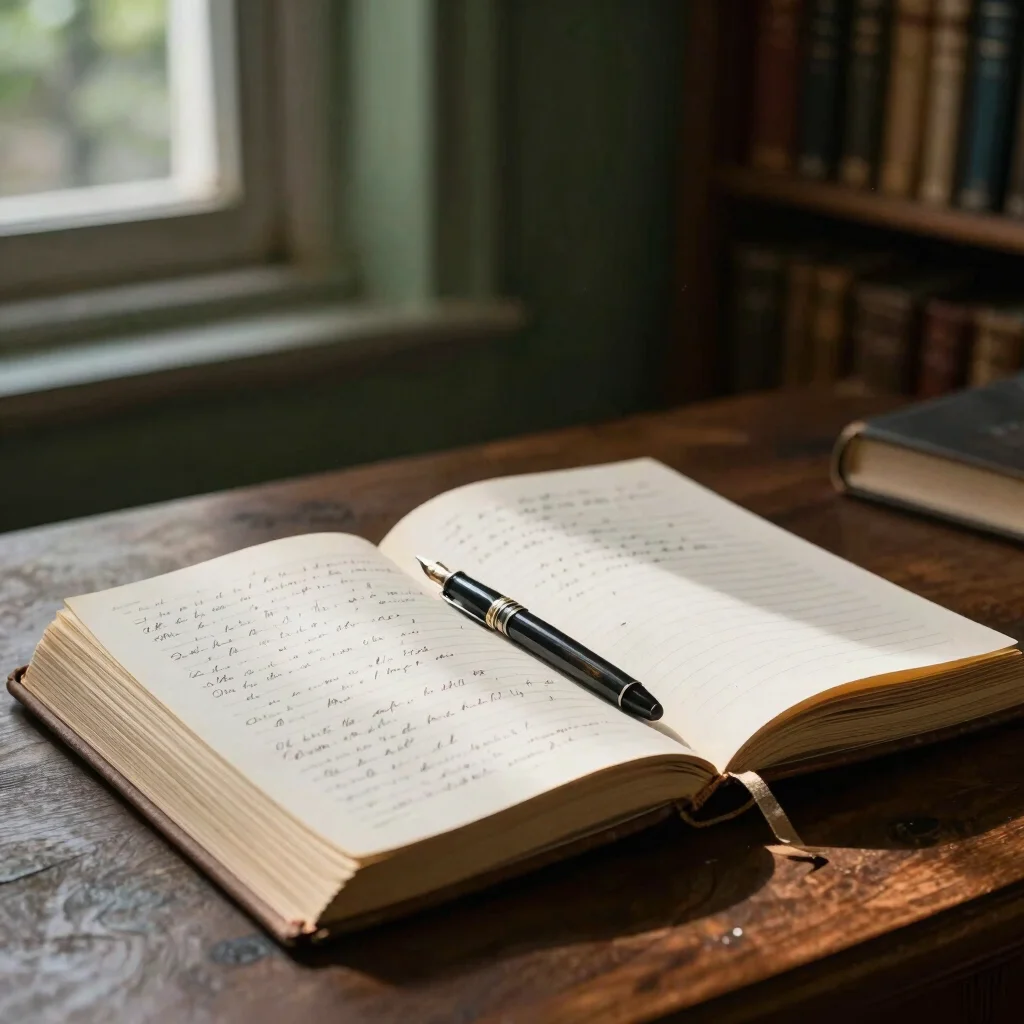
Open an old notebook and the entries may refuse to stay in their lanes: a passage copied from a book, a recipe, a practical reminder, a thought worth returning to. That mixture is part of the appeal of the commonplace book, a form of personal collection used in Europe for centuries. It was not quite a diary and not quite a reference book. It was a record arranged around the keeper’s attention.
Collected for later
Readers copied passages they found useful, memorable, or beautiful, sometimes grouping them under subjects or headings. A notebook might bring together moral reflections, household knowledge, quotations, and observations from daily life. The pages show not only what someone read, but what they judged worth carrying forward.
Order without a fixed form
Some commonplace books were carefully organized; others grew in fits and starts, with additions squeezed into the space that remained. The structure depended on the person and purpose, not a universal set of rules. A heading, an index, or a change in handwriting can offer clues, though none tells the whole story on its own.
A practice for the present
The form still has something to offer anyone who reads with a pencil nearby. Keep one notebook for lines, recipes, questions, and details you do not want to lose; date entries when it helps, and leave room for connections to emerge. Its value is not perfect organization. It is the quiet habit of noticing what deserves another look.