What a Book’s Margins Remember
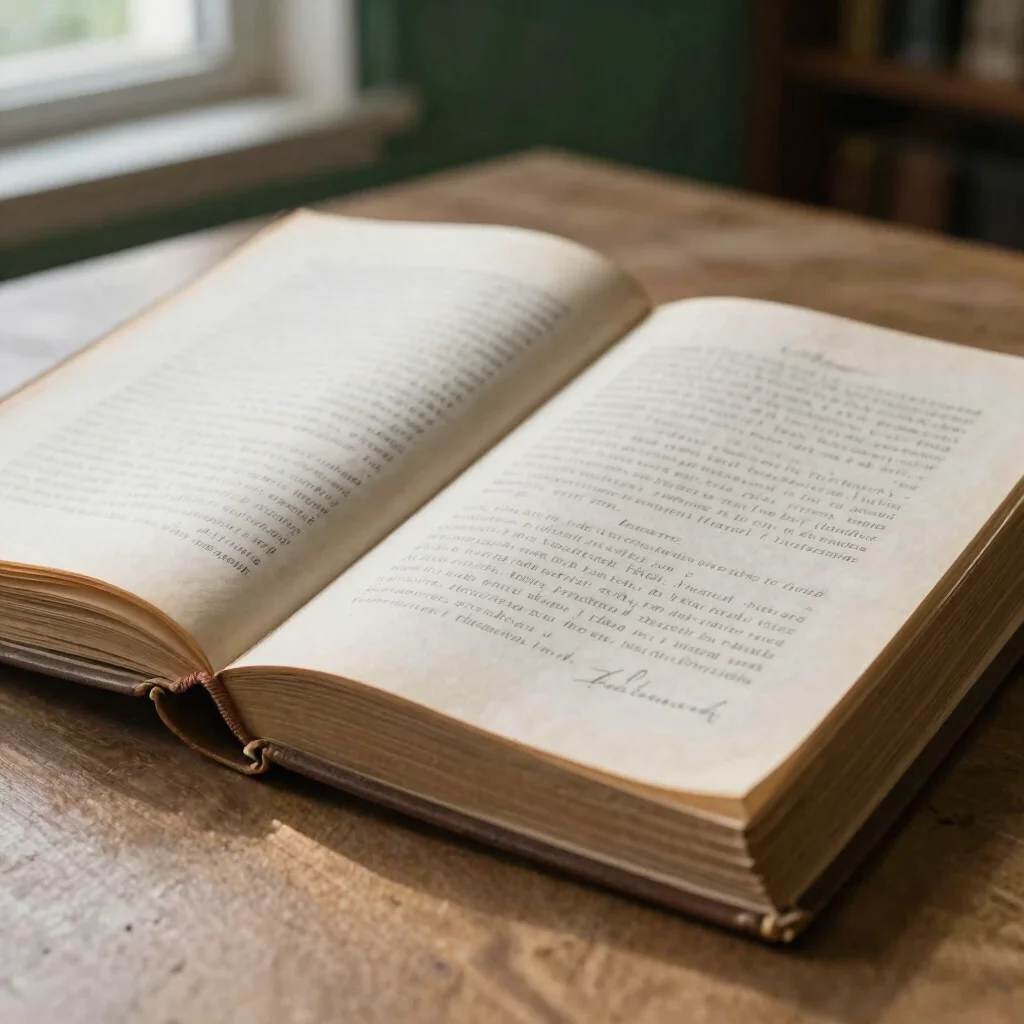
The first thing you notice may be a pencilled question beside a sentence, or a thumb-darkened corner turned down long ago. These marks give a book the texture of use. They also invite a tempting leap: to imagine exactly who made them and why. A careful reader can enjoy the mystery without mistaking a trace for a full account.
Marks made while reading
Marginal notes can be brief responses, corrections, cross-references, or reminders to return to a passage. Underlining may point to emphasis, but it does not tell us whether the reader agreed, objected, or simply wanted to find the line again. Even a familiar mark gains meaning from its placement and from the rest of the book.
The clues around the words
Look at the paper, the binding, the handwriting, and where the marks appear. An inscription on a flyleaf may record a gift or ownership, while a loose note tucked inside could have arrived much later. These details can help build a picture, but without reliable context they should remain clues, not claims.
Read the trace, not into it
When you meet an annotated book, start with what is visible: where a mark sits, what kind of ink or pencil appears, and whether similar notes recur. Resist assigning a name or motive unless the evidence supports it. The restraint does not make the object less interesting; it leaves room for the honest wonder of someone else having held the same page.